Pain is that nasty four-letter word that no one wants to experience, but it’s inevitably going to be a part of life in one way or another. Pain is defined as the unpleasant sensory and/or emotional experience associated with actual or potential tissue damage. In the ideal situation, after the body experiences a pain trigger, it has the capability to process, heal and recover. However, for some people this system doesn’t provide full restoration. Understanding why chronic pain occurs starts with understanding the mechanisms for pain.
Nociceptive pain is the result of mechanical stimulus. An obvious example of this would be if you cut your finger with a knife…ouch! Another less obvious example would be the chronic grind of an arthritic joint. Inflammatory pain is what most people take ibuprofen for and can be the result of a sterile or infectious cause. That same finger you cut results in an immune response with clotting, swelling and redness. Ultimately, the body is sending out chemical signals to attract the immune system to come and clean up the mess. Neuropathic pain is when there is direct nerve damage, which can result in feelings of numbness, tingling, zinging or even complete loss of feeling. Finally, dysfunctional or centralized pain is that which happens in the absence of obvious pathology. Overstimulated microglial cells in the brain appear to be a component of this.
As you can see, pain is not simple to evaluate or treat; however, there are many considerations outside of the typical recommendations of pain medications, steroid injections, physical therapy or surgery. Neurotransmitters, endocrine hormones and immune messengers are major players in this complex system; yet the influences of these are often overlooked when treating chronic pain. If you’re ready to take the next steps to finding relief from your pain, then make sure to follow along.
Feet may not be the best-looking part of your body and probably not the best smelling, but they sure are important for getting from point A to B, maintaining balance and pushing the limits of the human body to accomplish incredible feats. Bipedalism (walking on two legs) brought about a tremendous evolutionary change; it enabled us to move long distances with more efficiency, use tools for advanced tasks (hunting, for example), and communicate non-verbally, among other changes. With this development, instead of bearing body weight on four extremities, those forces are directed to only two. Fortunately, like our hands, the feet were intended to be dynamic yet stable in the full range of mobility. The adaptability of the human body is dependent on a wide variety of “nutritious movement”.
The many bones in the foot also mean many joints. These joints allow for adaptive and vigorous movements that distribute forces. Ancestral peoples were estimated to walk an average of 3.5 to 7 miles daily in their hunter-gatherer lifestyles, which included lots of dynamic movement, rest and social time. In the modern world, sedentary lifestyles and restrictive footwear are the norm, and the “nutritious movement” we once experienced is quite lacking. This has led to deterioration in joint mobility and muscular stability. Our feet are weak and dead.
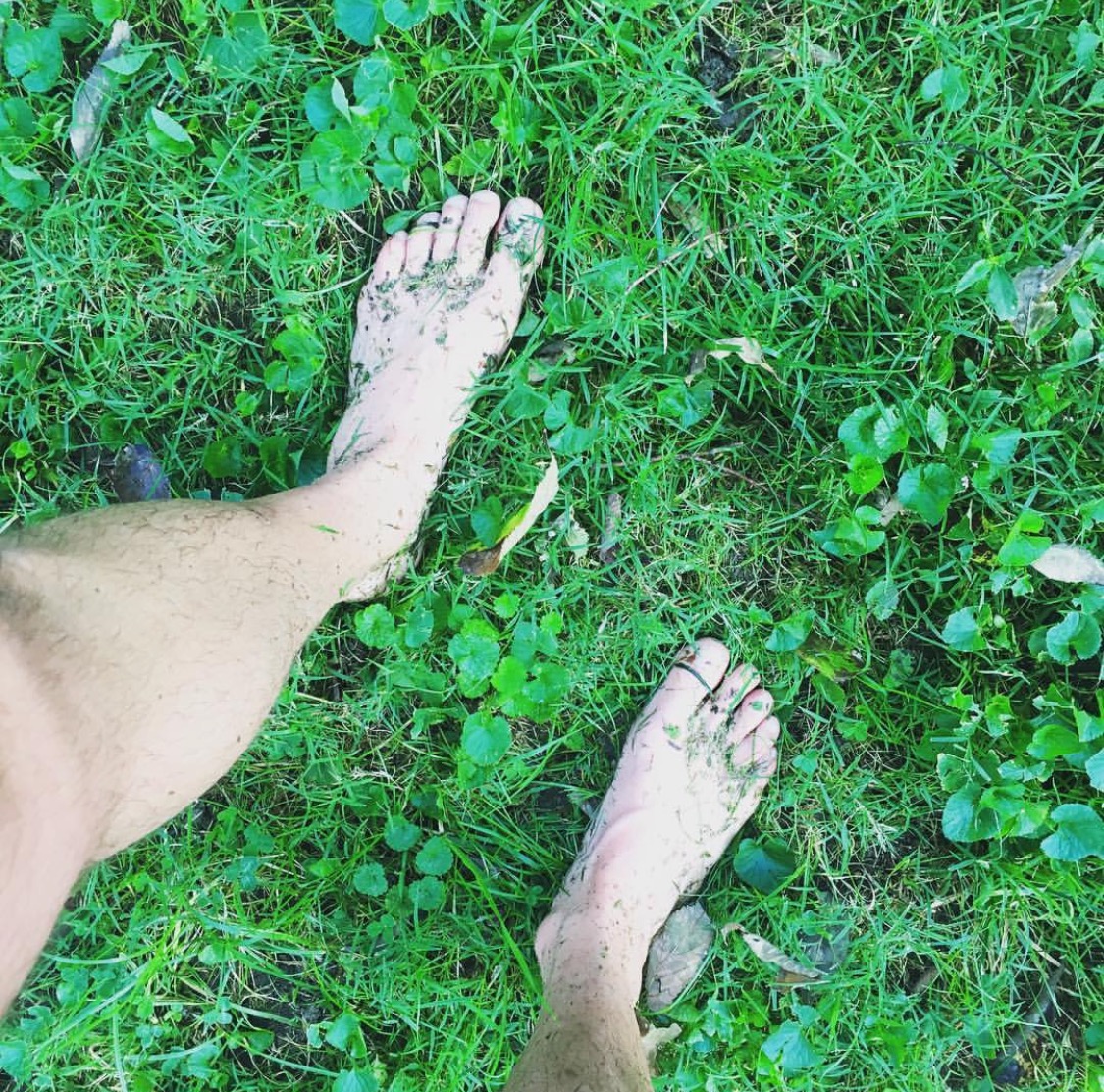
Restoration of this foundational aspect of the body takes time but can be accomplished. Start with taking off those darn shoes. This might be uncomfortable for some people starting off, even to the point of not being able to walk a few steps. Again, using the low and slow approach is best to avoid injury. This can be frustrating in our “quick fix” society, but is a necessary step. Other methods to begin the process include rolling your feet on balls of varying size and hardness (tennis ball, baseball, golf ball). As you progress, start walking on more irregular surfaces in your yard or parks. Allow your feet to take in these nutrients! As your body adapts to the feedback it is receiving, you will develop better strength, mobility and balance.
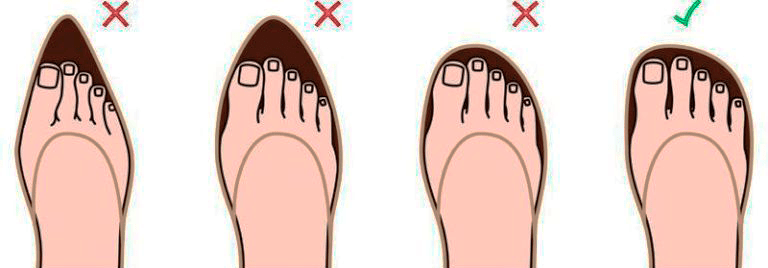
Are your feet dead? Then why are you wearing caskets (shoes) on your feet? Footwear has changed dramatically with human evolution, whether for fashion, specific activities or just daily living. Shoes went from being a tool allowing us to move more freely in our environment, to a device that molds our feet into weak and deformed structures (bunions anyone?!). Look at a broken arm after taking it out of a cast; it looks thinner and is generally weaker than the non-cast side. Are we doing this constantly to our feet? The diverse exposures our feet once had with the earth’s surface has been reduced by thick soles, narrow toe boxes and an environment that is consistently smooth and flat (floors and sidewalks, for example). To top it off, most shoes come with some elevation from the toe to the heel, which effectively causes shortening of the calf muscles over time. High heeled shoes are the worst offenders here, but even typical tennis shoes have a slightly raised heel. Essentially, footwear impacts the entire body system from the feet on up.
The foot consists of 26 bones and vast amounts of fascia, vessels, nerves and other supporting tissue that provide feedback to your system with each step. Let’s briefly think about infants and their movement progression. They start as weak and immobile, and as the body obtains feedback from contact with surfaces through the hands, FEET and other body parts, the child can grasp, crawl and eventually take those initial wobbly steps. This growth doesn’t stop as we become adults; our body will slowly adapt to the “nutritious movement” we provide it over time. Sticking our feet in shoes constricts motion and reduces feedback from our surroundings, which impacts our gait when we walk, run and play. Over time, this lack of feedback (and subsequent alteration of gait) leads to inappropriate forces going into joints and tissues, which may eventually lead to overuse injuries, aches and pains and potentially the development of arthritis.
You have the power to CHANGE and PREVENT these issues. Movement patterns have been ingrained into your body over many years, so attempting to reverse this too quickly can lead to injury and breakdown of the system. Start with some simple changes in footwear, using them for just a short amount of time each day, and building to full-time use over the course of several months or even years
Do you want to feel AWESOME? Maybe you’re dealing with aches, pains and mobility issues. Well, “nutritious movement” is a tool to consider in the pursuit of optimal health. What in the world is “nutritious movement”? Katy Bowman, M.S. describes it beautifully, “Your body needs many dietary vitamins and minerals to maintain its physiological homeostasis, and it requires a variety of mechanical nutrients (loads that create cellular deformations to facilitate cellular processes) as well.” That’s a lot to unravel, but the idea is to work towards getting your entire body moving more. We’re all familiar with saying, “sitting is the new smoking”, while I agree with this statement, I would add that any static position held for an extended period of time has a negative impact. Our body adapts to the positions in which we place it; and the excessive sitting in our lifestyle influences muscle length in a way that can lead to back pain, headaches and decreased mobility.
This is applicable not only to the athletes you see on television or on the field, but it may be even more important for those with balance issues, the weekend warrior with a bum knee, the pregnant woman with sciatica or the video game obsessed child with poor posture. Developing habits to incorporate throughout the day, especially with our sedentary lifestyles, can move you in the direction of reducing pain, being more mobile and even feeling happier.
My own light bulb moment came recently when I finally questioned why it was so uncomfortable and nearly impossible to sit cross-legged on the floor. This should be a movement pattern all humans can easily accomplish, yet there I was. While my progression into this is a work in progress, over the course of a year I can move in and out of this position with much better control and comfort. The human body thrives on dynamic movement, and my years of sitting in a chair didn’t give my body the nutrients it desired. The great news is that I’m convinced this can be changed. CHANGE is a scary word for some, but my goal is to provide you with practical and thought-provoking action steps to make this manageable. Stay tuned!
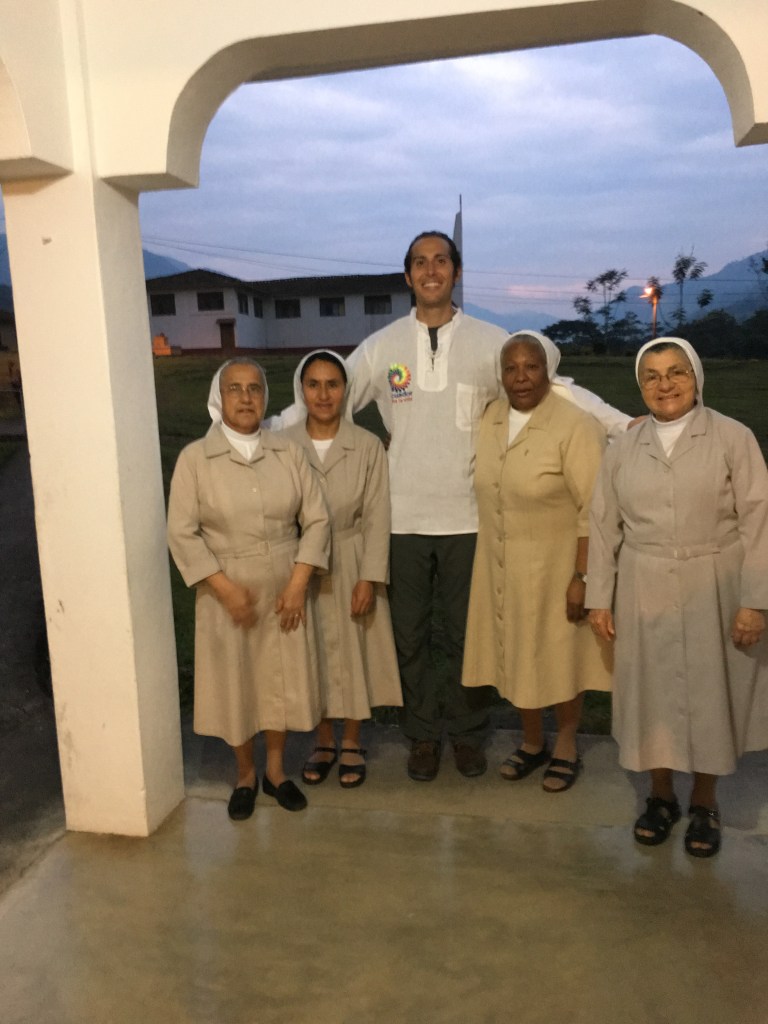
Guadalupe, Ecuador with the Sisters of Teresita, 2017
Welcome to my blog, where I hope to bring insight into how your health has been transformed by the conditions of our modern world. As you go on this journey, realize that everyone is a unique individual with their own genetic variations, environmental exposures, and their own goals and dreams. In that same light, there are many qualities we share as humans. Consider some of our basic needs: pure water, clean air, whole food and general exposure to nature…how many of us are truly getting all of this?
For a brief background, I’ll take you through my biases (life experiences) that have shaped who I am and my current way of thinking. I was raised in the suburbs of west Cincinnati with a family-oriented, Italian American, conservative and Catholic flare. Basically, I lived in a very safe and loving box. This is the upbringing that led me to pursue a career in medicine and to continue working towards the American dream (high paying job, happy family life and the white picket fenced home).
My medical career began at Ohio University College of Osteopathic Medicine in Athens, OH where I earned my medical degree. After that, I completed a Family Medicine residency at Doctors Hospital in Columbus, OH. My final stop on the education journey was back in Athens at O’bleness Hospital, where I obtained my certification in Neuromusculoskeletal Medicine (NMM) and Osteopathic Manipulative Medicine (OMM).
So, who cares about all that…well, it’s the fine details in between all those bigger events that brings me to where I am in my medical career. As mentioned, I grew up with ample support and opportunity at my grasp; I am forever grateful to the generations before me that struggled mightily to provide what I have. Through that same privilege, I was blessed to spend time working in my second home, Ecuador. It was there that I witnessed the huge disparity in healthcare, yet at the same time experienced the amazing presence of God in all of nature. Conditions we would deem horrible by U.S. standards were juxtaposed with an incredible abundance provided in that “wall of green.” During medical school, I also jumped on the podcast bandwagon and began to open my mind to ideas we weren’t being taught in the books or lecture halls.
However, the moment that truly changed the projection of my life was an interaction I had in the family medicine residency. I was discussing options with a diabetic patient, to help reduce her blood sugar through lifestyle changes. I mentioned eating another vegetable a day or going for a walk, but I wanted her to decide what change she thought she could do. She replied, “Just give me another pill.” How does one respond to that? Well, I’m sure I gave her another pill, but that led me to begin questioning my training and profession. As a family physician, I was trained to distinguish the zebras from the horses to keep people safe and healthy, but internally I felt my future was just going to be managing a person’s laundry list of medications; too often, these medications are “band-aids” designed to mask the symptoms resulting from poor lifestyle choices. Was I really going to be equipped to provide true health care?
From that point on, I decided to follow the wisdom of the founder of Osteopathy, A.T. Still, “To find health should be the object of the doctor, anyone can find disease.” So, I ran with it…maybe a slow jog at first. I decided to further my education and skills by completing the residency in NMM/OMM and then was blessed with the opportunity to learn from and join Dr. Gary Huber at his practice in personalized medicine. Similarly, I met a group of ecologically minded friends who have opened my mind to the extraordinary power of nature, fresh water, whole foods and foraging. All of these experiences point to the fact that we need nature more than it needs us.
Here I am, beginning a career in Ecological Medicine; thus, the name “Elemental Health” seems fitting. “Elemental” is defined as primary or basic, also relating to or embodying the powers of nature. Health should be defined as a state of physical, mental, social and ECOLOGICAL well-being. I’m not yet sure how all of this works together, but as I go on my perpetual journey of learning, I want to share this knowledge and wisdom with you.
My desire is to help your body feel the way you want through tools including Osteopathic manipulation and natural movement, regenerative joint injection therapy, integrative medicine, and most importantly, lifestyle approaches to combat the modern world exposures that are contributing to poor global health.
If you would like to take a deeper dive into your individual health, you can schedule an appointment by calling Huber Personalized Medicine at (513)924-5300 and visit our website HuberPM.com
 Elemental Health