Featured

Do No Harm

Tony Bianco, DO

DO NO HARM…that is the oath I took when I decided to pursue a path in medicine.  I hold that dear to my heart, but I wonder if any practitioner really understands the implications surrounding that sentiment through the recommendations that he or she gives on a daily basis.  Does a practitioner review all the potential harms of each medication prescribed? Are vaccine injuries openly discussed with parents? How frequently are the actual studies being reviewed? Are lifestyle interventions the mainstay of conventional care?  Isn’t withholding information just as harmful as giving, whether knowing or not? 

It is impossible for any practitioner to have sufficient knowledge to avoid doing harm, but I do think most have the altruistic goal of helping others.  It is quite evident that we each have unique perspectives, but most of our basic beliefs are similar.  A belief in a higher power, loving and protecting our family and friends, respecting each other, sharing and valuing our resources, and living in community.  Can we have differing opinions and still stand true to our beliefs?  I say that in jest, but as our priorities and “truths” continue to further deviate, this becomes more difficult. 

So where am I going with this?  Ultimately, this comes to where we are as the United States and the world.  Is this what a modern civil war looks like?  Family and friends “battling” each other over politics, mandates and overall personal choices made.  While I realize politics and the president do have global implications, what does it really mean if we are inactive in our own communities?  What happens when we ignore the hungry and downtrodden on our streets?  What happens when we ignore the trash building up on the sidewalks?  What happens when we isolate ourselves and don’t have interactions with our community members?  From my perspective, it leads to a deterioration; in the family unit, our health, economy, community and world as a whole. 

I come to the current topic of COVID-19 (I’m not sure if anyone has heard of what’s going on with this or not!?).  I want to tie this back to the topic of DO NO HARM.  We are being force fed what to believe about this process.  We are told that this “novel” virus has a high rate of infectivity and even asymptomatic carriers are much more infective than what our previous knowledge of viruses indicates.  I am also not taking this situation lightly; I’ve seen how it affects people, I know those who have lost loved ones and I understand the medical community’s mask and social distancing recommendations.  As I continue to navigate this through the lens of a physician (with my own personal biases), the other job as a physician is to continue to question the paradigm.  The quest of all humans should be to pursue the higher things, the higher knowledge, the truth.  This is something that I don’t believe science alone will be able to fully comprehend, but it gives us some points of discussion. 

As I continue to ponder this topic, I read, listen and explore more.  A question that has arisen from time to time is the idea of what a virus truly is, and whether there might be other reasons for the symptoms people are experiencing.  This is information presented to challenge your thought process and allow you to make informed and logical decisions.  This is also a call to action; to hold humans, corporations, and our government accountable for decisions that have been made.  While the “conspiracy theory” for the electromagnetic/wireless contribution to the global pandemic has been stated as being “debunked”, I would appreciate if the science community explored this possibility further.  I know it might be outlandish to think that something like cell phone towers and 5G technology could be correlated to COVID-19, but why not?  Humans and all of creation are constantly bombarded by toxins of all sorts (metals, glyphosate, man-made chemicals, EMF, etc.) on top of overall lifestyles that aren’t optimized for health.  While we are highly adaptive beings, it comes into question how quickly and effectively our bodies are able to accommodate these massive changes in our environment.  I am not saying that 5G/EMF/wireless technology alone is the causative factor, but what if this is the final straw that broke the camel’s back?  Can any wireless company or city government demonstrate studies that the rollout of this technology doesn’t influence human health? Where is the proof that these technologies are safe?  Where is the oath and responsibility of these entities to DO NO HARM?  What if a city or municipality was willing to act on behalf of the citizens and turn off these technologies to see what impact there would be? Wouldn’t that be a worthy and fascinating experiment?

We need to start thinking again as a society.  Let’s use logic, reason, and yes, even our hearts to share both thoughts and actions.  Science is a great tool, but it can also lead to tremendous blunders.  Evidenced based medicine frequently will state “additional research is needed” or will present evidence supporting both sides of an argument.  Below you will find a number of articles that will support or contradict your current thought process.  I encourage you to investigate further and be more open to the positions of others, especially those who differ.  I also challenge those with authority to influence positive change and shift their focus to human wellbeing.  To the City of Cincinnati Government, Verizon, AT&T, Sprint and all others in the technology space, I challenge you to take a step toward uncovering truth and DO NO HARM!

Resources:

  1. A Rationale for Biologically-based Exposure Standards for Low-Intensity Electromagnetic Radiation
  2. Naval Medical Research Institute: Bibliography of Reported Biological Phenomena (‘Effects’) and Clinical Manifestations Attributed to Microwave and Radio-Frequency Radiation.
  3. Adverse Health Effects of 5G Mobile Networking Technology Under Real-Life Conditions
  4. Disturbance of the immune system by electromagnetic fields- A potentially underlying cause for cellular damage and tissue repair reduction which could lead to disease and impairment.
  5. Biological Effect of Millimeter Radiowaves
  6. 5G Technology and Induction of Coronavirus in Skin Cells
Featured

Vitamin Z…Optimizing Sleep Dr. Tony Bianco, DO

Over the years I treated sleep as something that was necessary, but never a priority.  Now, I see this as the most important part of my day.  I’ve been crafting this practice with the addition of different tools, and I feel the puzzle is coming together in a harmonious fashion.  Why is sleep important?  From a basic level, sleep allows for our repair and recovery mechanisms to support our mental and physical health, and overall quality of life.  While this involves many aspects of our hormonal system, balancing melatonin and cortisol are key for the circadian rhythm.  Similarly, disruption in sleep can lead a breakdown in regulation of other hormones like testosterone, growth hormone and insulin.  I’m sure all of us have experienced staying up later than anticipated and feeling the effects the next morning with the brain and body moving at a slower pace.  

My personal sleep deterioration began during my intern year of residency when a month of nights, and 24 hour shifts every other week were par for the course.  The result…mental fogginess and poor recovery from exercise.  In other words, this was not what I needed from my body at the time or ever really.  

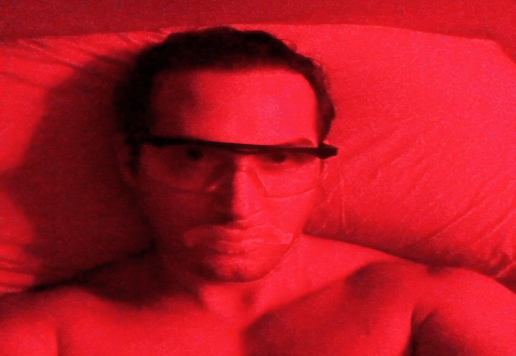
Over the next years I put different pieces together.  An important step was setting a regular bedtime.  Yes, this varies a bit on the weekend, but overall, I shoot to have the lights out and head on the pillow by 10 PM.  Around the same time, I started incorporating the use of blue-blocking glasses (Uvex are $10 on Amazon).  Theses red/orange glasses are NECESSARY for those who have any screens or lights on past sunset.  Blue light inhibits the release of melatonin from the pineal gland, thus interrupting the circadian rhythm.  These were game changers for me, as instead of 15+ minutes of lying in bed, I was falling asleep in minutes.  I ran with these tools for a while, but when I moved back to Cincinnati next to cell phone towers, things changed again.  

Around this time, I started reading more about sleep and items that should be evaluated.  I did an at home sleep study that didn’t indicate sleep apnea but showed some episodes of lower oxygen saturation.  So, what else did I need to think about?  Dry mouth had been a factor as an adult when I woke up in the morning, so that’s when I discovered the idea of mouth taping.  If you experience this, try the simple process; it may take a few weeks to get used to, but totally worth it (Simply Breathe and Somnifix).  

As the time in my condo progressed, I started noticing that I would wake up several times in the middle of the night, and while I fell back asleep easily, it was an unusual pattern for me.  Per usual, I started to go down weird paths, and came across the effects of electromagnetic fields (EMFs) from the many technologies we “depend on” these days.  So, after some investigation I decided to invest in my sleep again.  This time was to lessen the effect of EMFs by painting the walls of my bedroom with a graphite paint and using specialized curtains to block my windows. I wasn’t able to make this situation perfect, but my sleep quality improved once again. 

The final change that brought life to a new level was making an uncomfortable decision.  In January 2020, I saw the opportunity to make a change in my work schedule, and so I went for it.  Now this can be very challenging for most work situations, but at some point, you have to decide whether your health or the bottom-line is more important.  I was the typical wake-up early to exercise and then get to work person.  When work starts at 7 or 8 AM and you have a commute, something has to give.  Sleep was that something for nearly two decades, and I believe this was a driving factor in cortisol dysregulation and unnecessary stress, so the decision came.  Now I rise when my body chooses, which is anywhere between 6-7 AM, so my work schedule had to accommodate this.  

Sleep, and life in general, is a journey, and I made the decision to enjoy it along the way.  What I can say is that I haven’t felt this good or had this much energy for a decade.  It took some time to get sleep in an amazing place, but hopefully you can take some of these tips to make your journey towards optimized health a great one.  

Tips for Optimizing Sleep

TemperatureEveryone is unique, cooler is usually better.  Think about items like a ChiliPAD if partner prefers a different temperature.
LightMake it black, get black-out curtains in your bedroom.Use True Dark Dots to cover other lights from electronics, smoke detectors, etc.Buy blue-light blocking glasses if using electronics or lights are on beyond sunset (Uvex on amazon ~ $10).
TimingSet a regular bedtime – get your circadian rhythm in order (7-9 hours for most adults).
AnatomyIf you wake up with a dry mouth or know you’re a mouth breather trial mouth taping (Simply Breathe or Somnifix).Sleep Apnea – if you have struggled with sleep, snoring or chronic fatigue get a sleep study (you can do these at home with results that provide good insight).
Electromagnetic fieldsWhile controversial, there is no denying that we are bioelectric beings.  To ignore the potential for EMFs affecting health, is to ignore sound and logical science.
Life Demand/StressChoose health, choose to live.  Frequently we allow societal norms to dictate our lives, break free from the expectations and create the life you desire.
Featured

Alternative and Integrative Pain Solutions: Fasting…How “Hangry” Are You?

Were humans made to eat every 2-3 hours?  Why do we get hunger pangs?  Throughout all of human existence we have experienced times of feast and famine, and we have the adaptation to function well with less.  Most American diets, while not the most nourishing, do provide ample caloric density.  Yes, major micronutrient deficiencies stem from the poor nutrition many people consume on a regular basis, but that’s not the major focus for this article.  Although, if considering using fasting as a tool, supporting nutrients is important.  

Therapeutic fasting or intermittent caloric restriction has demonstrated significant benefits in a wide variety of human diseases.  Some of the obvious effects can be seen on those with blood sugar issues (insulin resistance/diabetes), cardiovascular disease (heart attacks/strokes) and those with excess weight.  Fasting can also improve mitochondrial function (power producing system), help with DNA (genetic) repair and enhance autophagy (cleaning damaged cells).  These items can increase longevity and optimize brain and cognitive function.   

So, what about the pain part?  Fasting reduces the pro-inflammatory and oxidative stress aspects of the system.  This will reduce the inflammatory burden and allow for regeneration and repair to occur in joints, muscles, connective tissues and even the nervous system.  The benefits can be seen by slowing progression of arthritis and other mechanisms of chronic pain.  

When making nutrition changes, I always recommend working with a practitioner who will monitor the effects on your body.  If you want to start with fasting, my first recommendation is reducing your daily eating window.  Most people eat for a 12-14-hour period of time during the day.  Each week try reducing that window by 30 minutes with a goal of seeing if you can consume all your meals in about 6-8 hours.   

Featured

Alternative and Integrative Pain Solutions: The Gut-Pain Connection

What does the gut have to do with pain?  As we learn more about the microbiome (the helpful microorganisms that inhabit our gastrointestinal tract), there is a realization of how important these microbes are for health. With ten times more microorganisms than human cells in our bodies, maintaining an appropriate balance not only aids digestion, but also global function.  The organisms in our body are key for transforming the food we consume into the products we use to support neurotransmitters, hormones and inflammation in the body.

            The microbiome has shown important roles in maintaining good health, including:

  • Protecting the intestinal barrier
  • Producing or influencing neurochemicals (GABA, serotonin, dopamine, etc.)
  • Reducing lipid peroxidation (free radicals)
  • Regulating cytokine (inflammatory markers) and lipopolysaccharide (LPS – harmful toxin) production
  • Creation of vitamins 
  • Providing analgesic (pain relieving) effects  

These are just a few examples of the many beneficial mechanisms provided by a healthy, functioning microbiome. However, the Standard American Diet (SAD – accurate acronym!) is filled with processed ingredients and is high in sugar and adulterated fats, which cause disruption in the ideal diversity and all of the aforementioned processes.  This affects our repair and recovery mechanisms and can be a component of chronic pain mechanisms.          

Fermented foods (sauerkraut, pickles, kimchi, kefir, yogurt, kombucha, wine, beer, etc.) were a part of traditional nutrition throughout human history; however, these foods have either been removed from the diet or significantly modified (mass produced, heated, etc.) which has greatly affected intestinal, and thus, total body health.  I get it, most people are not going to consume significant amounts of these foods, but there are other options.  This is where prebiotics and probiotics come into play.  Prebiotics are special fiber found in plants (garlic, onion, etc.) that provide healthy bacteria with a source of nutrition.  With probiotics, quantity and diversity matter; look for at least 10-20 billion colony forming units (CFUs).  For the diversity component, combining Lactobacillus/Bifidobacterium, Saccharomyces boulardii (beneficial yeast) and Bacillus (soil-based) organisms have all shown beneficial effects.  Don’t neglect the health of your gut and the friendly organisms that live there!

Featured

Movement is Medicine – Just Breathe

Have you ever caught yourself holding your breath?  What’s going on there?  Breathing is controlled by the autonomic (automatic) part of the nervous system.  Essentially, we don’t have to think about taking a deep breath.  Breathing is necessary for human life, and dysfunctional forms might be implicated in a number of problems from non-specific symptoms of dizziness and anxiety to physiologic issues like asthma.  Proper breathing mechanics are part of optimal health.  When was the last time your doctor evaluated that?

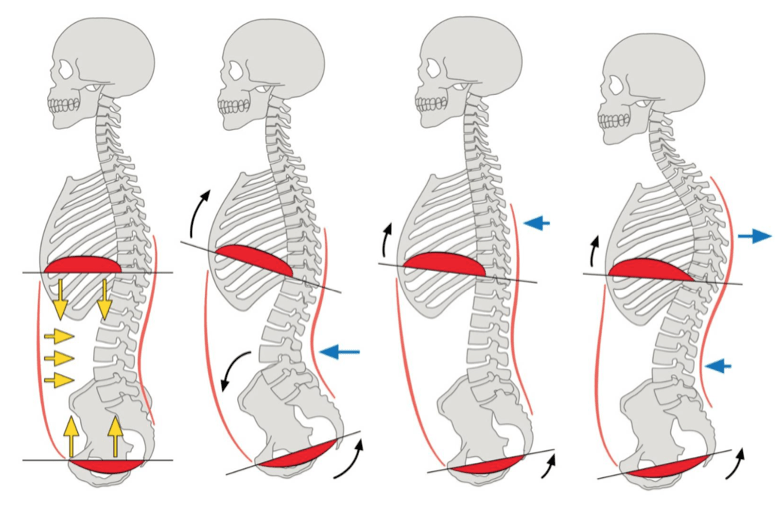
The diaphragm is the major muscle involved in the breathing mechanism, and is controlled by the phrenic nerve coming from the upper neck region (Can neck issues affect breathing? Yes!).  Upon inspiration (breathing in) the diaphragm contracts, providing more room for air to enter the lungs, and with expiration (breathing out) the opposite occurs.  Our spinal posture and the front side (beer belly anyone??) can drastically affect the efficiency of the system (diagram above).  The consequences of a poor mechanism can lead to dysfunctional breathing patterns. Similarly, the heart and lungs are closely interrelated; if breathing is irregular, changes in oxygenation and blood flow occur.  

So, what does that mean?  Well, if the body senses decreased oxygen levels and blood flow, this signals the autonomic nervous system to kick into gear.  The parasympathetic regulation (rest and digest) gets turned down in favor of the sympathetic (flight or fight).  Now your body is in a constant state of vigilance, leading to sympathetically driven symptoms: anxiety, dizziness, numbness sensation, shortness of breath and an overall decrease in quality of life.  

Two tools I utilize regularly are working on good diaphragmatic breathing and mouth taping to help with disordered breathing while asleep.   Watch the following video to gain more insight: https://www.youtube.com/watch?v=tDbiGjiOvZg

Featured

Drugs and Plastics and Feces…Oh My!

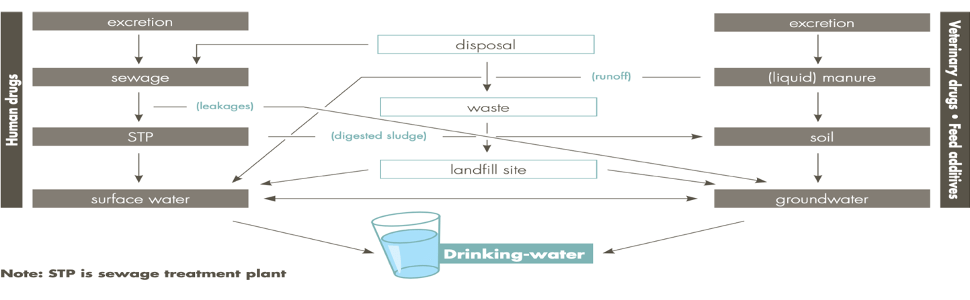
Do you know what’s in the water you get from the faucet?  Have you considered the health consequences of drinking this?  Water is one of the essential elements of life, making up approximately 60% of the human body and over 70% of the earth.  It’s health implications include physical and cognitive performance, bowel function, headaches, moisturized skin and maintaining heart and kidney regulation among others.  As with so many things in our modern world, we’ve robbed Peter to pay Paul.  We have destroyed our freshwater system with the industrialization of society to make life convenient, which has contributed to the massive chronic disease situation.  We’ve tried to solve the problem through the industrialization of water, but the standards to which we’ve “cleaned” our toilet, sink and farm runoff water is beyond concerning.  

The World Health Organization has demonstrated that numerous pharmaceuticals and metabolites can be found in our drinking water.  Now that being said, they are usually detected in amounts below the “acceptable” level of consumption.  Similarly, chemicals from factories, farming and human/animal excrement can be found in water sources at an “acceptable” level.  Why is any level “acceptable”?  Other chemicals with unintended consequences include chlorine and fluoride.  Chlorine acts as an antimicrobial, so what effect is that having on our gut and skin flora?  Could your gas, bloating, constipation, diarrhea, eczema, or dry skin have anything to do with water?  Fluoride is touted as the savior of dental health, but haven’t other first world countries experienced similar improvements in dental health without fluorinated water?  I am not an expert in this field, but I am a professional health investigator, and we need to consider the consequences of these actions.  Clean water should be a priority for our current health and the future health of not only humans, but the planet.  

So, what should we do?  Social change would be the best step, but as that may not be practical right now, let’s look at alternatives.  Plastic bottles are NOT the answer.  The plastic we use can get into the water itself, which means it can then accumulate in our bodies…doesn’t sound good, right?  Most brands of bottled water are no cleaner or safer than tap water; in fact, some companies are just selling you tap water in a bottle. The best option is filtration of our water, not only what we drink, but what we bathe in (skin is our largest organ).  Start where you can, even if it’s a simple refrigerator carbon filter.  The optimal options would include filters that remove microscopic particles, microbes, chemicals, heavy metals, acids and other undesirable contaminants, while still providing appropriate minerals.  While there are many companies out there providing quality devices, some I would further research include: AquaSana, AquaTru, Berkey Filters, MultiPure, Pristine Hydro (I can get a discount on bulk orders) and Soma.

Featured

Alternative and Integrative Pain Solutions: No Pain, No Gain…What, Really?

Pain is that nasty four-letter word that no one wants to experience, but it’s inevitably going to be a part of life in one way or another.  Pain is defined as the unpleasant sensory and/or emotional experience associated with actual or potential tissue damage.  In the ideal situation, after the body experiences a pain trigger, it has the capability to process, heal and recover.  However, for some people this system doesn’t provide full restoration.  Understanding why chronic pain occurs starts with understanding the mechanisms for pain. 

            Nociceptive pain is the result of mechanical stimulus.  An obvious example of this would be if you cut your finger with a knife…ouch!  Another less obvious example would be the chronic grind of an arthritic joint.  Inflammatory pain is what most people take ibuprofen for and can be the result of a sterile or infectious cause.  That same finger you cut results in an immune response with clotting, swelling and redness.  Ultimately, the body is sending out chemical signals to attract the immune system to come and clean up the mess. Neuropathic pain is when there is direct nerve damage, which can result in feelings of numbness, tingling, zinging or even complete loss of feeling.  Finally, dysfunctional or centralized pain is that which happens in the absence of obvious pathology.  Overstimulated microglial cells in the brain appear to be a component of this.  

            As you can see, pain is not simple to evaluate or treat; however, there are many considerations outside of the typical recommendations of pain medications, steroid injections, physical therapy or surgery.  Neurotransmitters, endocrine hormones and immune messengers are major players in this complex system; yet the influences of these are often overlooked when treating chronic pain.  If you’re ready to take the next steps to finding relief from your pain, then make sure to follow along.    

Featured

Movement is Medicine: Start with the Foundation

Feet may not be the best-looking part of your body and probably not the best smelling, but they sure are important for getting from point A to B, maintaining balance and pushing the limits of the human body to accomplish incredible feats.  Bipedalism (walking on two legs) brought about a tremendous evolutionary change; it enabled us to move long distances with more efficiency, use tools for advanced tasks (hunting, for example), and communicate non-verbally, among other changes.  With this development, instead of bearing body weight on four extremities, those forces are directed to only two.  Fortunately, like our hands, the feet were intended to be dynamic yet stable in the full range of mobility.  The adaptability of the human body is dependent on a wide variety of “nutritious movement”.  

The many bones in the foot also mean many joints.  These joints allow for adaptive and vigorous movements that distribute forces.  Ancestral peoples were estimated to walk an average of 3.5 to 7 miles daily in their hunter-gatherer lifestyles, which included lots of dynamic movement, rest and social time.  In the modern world, sedentary lifestyles and restrictive footwear are the norm, and the “nutritious movement” we once experienced is quite lacking.  This has led to deterioration in joint mobility and muscular stability.  Our feet are weak and dead. 

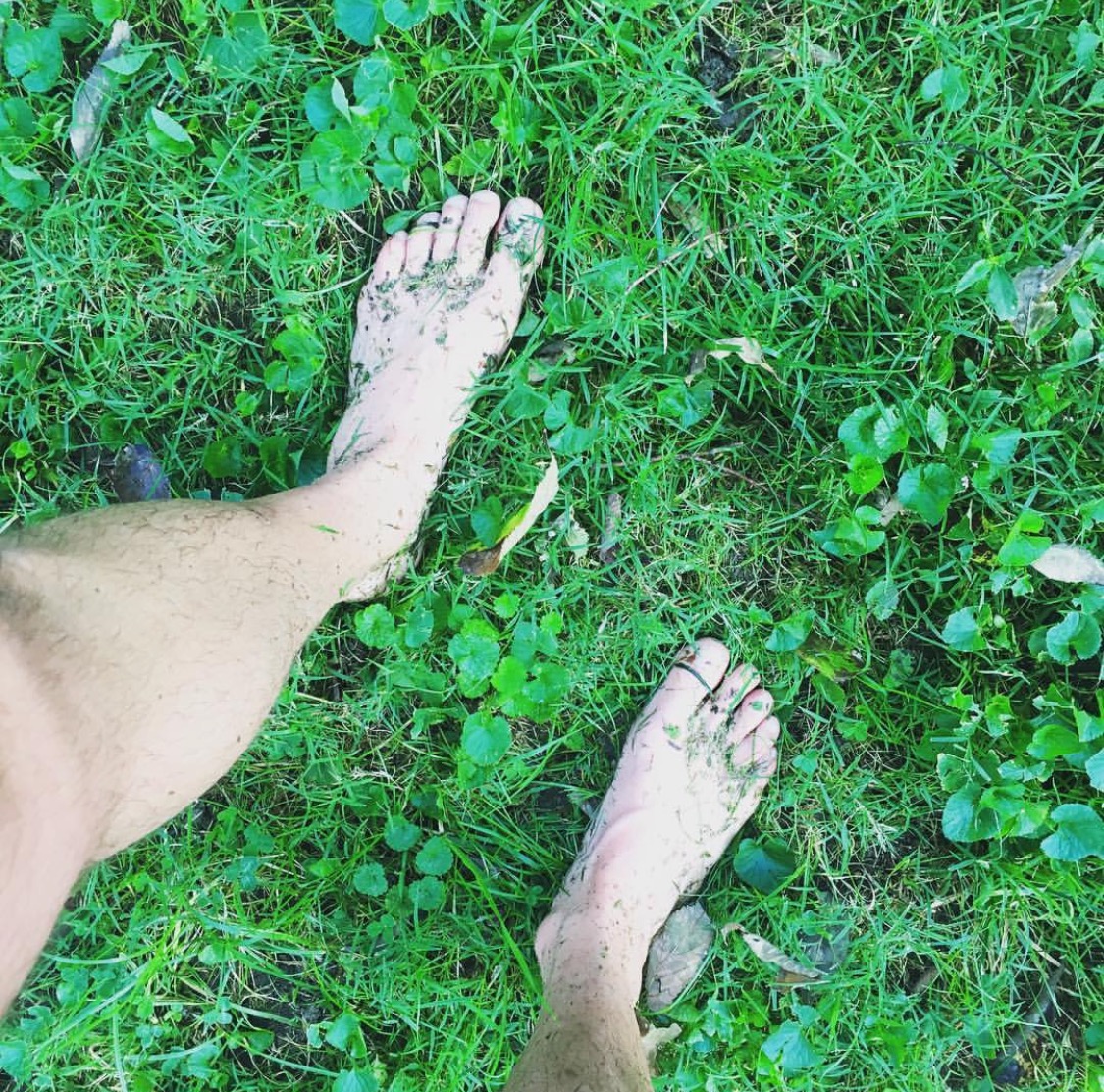
Restoration of this foundational aspect of the body takes time but can be accomplished.  Start with taking off those darn shoes.  This might be uncomfortable for some people starting off, even to the point of not being able to walk a few steps.  Again, using the low and slow approach is best to avoid injury.  This can be frustrating in our “quick fix” society, but is a necessary step.  Other methods to begin the process include rolling your feet on balls of varying size and hardness (tennis ball, baseball, golf ball).  As you progress, start walking on more irregular surfaces in your yard or parks.  Allow your feet to take in these nutrients!  As your body adapts to the feedback it is receiving, you will develop better strength, mobility and balance.  

Check out this video for additional details: https://youtu.be/BjMzHLflt1w

Featured

Movement Is Medicine: Feet Caskets…Shoes?

Which shoes are you going to choose?

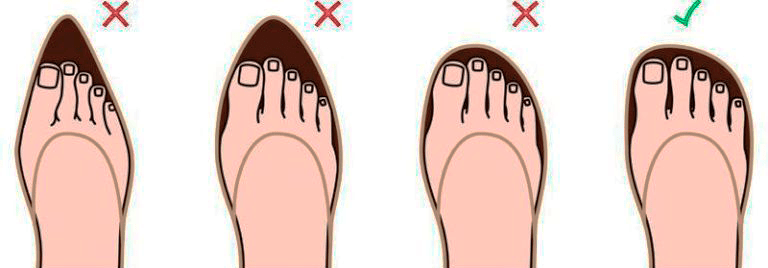
Are your feet dead?  Then why are you wearing caskets (shoes) on your feet?  Footwear has changed dramatically with human evolution, whether for fashion, specific activities or just daily living.  Shoes went from being a tool allowing us to move more freely in our environment, to a device that molds our feet into weak and deformed structures (bunions anyone?!).  Look at a broken arm after taking it out of a cast; it looks thinner and is generally weaker than the non-cast side.  Are we doing this constantly to our feet?  The diverse exposures our feet once had with the earth’s surface has been reduced by thick soles, narrow toe boxes and an environment that is consistently smooth and flat (floors and sidewalks, for example).  To top it off, most shoes come with some elevation from the toe to the heel, which effectively causes shortening of the calf muscles over time.  High heeled shoes are the worst offenders here, but even typical tennis shoes have a slightly raised heel.  Essentially, footwear impacts the entire body system from the feet on up.  

The foot consists of 26 bones and vast amounts of fascia, vessels, nerves and other supporting tissue that provide feedback to your system with each step.  Let’s briefly think about infants and their movement progression.  They start as weak and immobile, and as the body obtains feedback from contact with surfaces through the hands, FEET and other body parts, the child can grasp, crawl and eventually take those initial wobbly steps.  This growth doesn’t stop as we become adults; our body will slowly adapt to the “nutritious movement” we provide it over time.  Sticking our feet in shoes constricts motion and reduces feedback from our surroundings, which impacts our gait when we walk, run and play.  Over time, this lack of feedback (and subsequent alteration of gait) leads to inappropriate forces going into joints and tissues, which may eventually lead to overuse injuries, aches and pains and potentially the development of arthritis.  

You have the power to CHANGE and PREVENT these issues.  Movement patterns have been ingrained into your body over many years, so attempting to reverse this too quickly can lead to injury and breakdown of the system.  Start with some simple changes in footwear, using them for just a short amount of time each day, and building to full-time use over the course of several months or even years

Check out this link for more information: https://youtu.be/_DRJ4ssPuTg

Featured

Movement Is Medicine: Make It Nutritious

Do you want to feel AWESOME?  Maybe you’re dealing with aches, pains and mobility issues.  Well, “nutritious movement” is a tool to consider in the pursuit of optimal health. What in the world is “nutritious movement”?  Katy Bowman, M.S. describes it beautifully, “Your body needs many dietary vitamins and minerals to maintain its physiological homeostasis, and it requires a variety of mechanical nutrients (loads that create cellular deformations to facilitate cellular processes) as well.”  That’s a lot to unravel, but the idea is to work towards getting your entire body moving more.  We’re all familiar with saying, “sitting is the new smoking”, while I agree with this statement, I would add that any static position held for an extended period of time has a negative impact.  Our body adapts to the positions in which we place it; and the excessive sitting in our lifestyle influences muscle length in a way that can lead to back pain, headaches and decreased mobility.

This is applicable not only to the athletes you see on television or on the field, but it may be even more important for those with balance issues, the weekend warrior with a bum knee, the pregnant woman with sciatica or the video game obsessed child with poor posture.  Developing habits to incorporate throughout the day, especially with our sedentary lifestyles, can move you in the direction of reducing pain, being more mobile and even feeling happier. 

My own light bulb moment came recently when I finally questioned why it was so uncomfortable and nearly impossible to sit cross-legged on the floor.  This should be a movement pattern all humans can easily accomplish, yet there I was.  While my progression into this is a work in progress, over the course of a year I can move in and out of this position with much better control and comfort.  The human body thrives on dynamic movement, and my years of sitting in a chair didn’t give my body the nutrients it desired.  The great news is that I’m convinced this can be changed.  CHANGE is a scary word for some, but my goal is to provide you with practical and thought-provoking action steps to make this manageable.  Stay tuned! 

Featured

Who Am I…24601

Tony Bianco, DO

Welcome to my blog, where I hope to bring insight into how your health has been transformed by the conditions of our modern world. As you go on this journey, realize that everyone is a unique individual with their own genetic variations, environmental exposures, and their own goals and dreams. In that same light, there are many qualities we share as humans. Consider some of our basic needs: pure water, clean air, whole food and general exposure to nature…how many of us are truly getting all of this? 

            For a brief background, I’ll take you through my biases (life experiences) that have shaped who I am and my current way of thinking.  I was raised in the suburbs of west Cincinnati with a family-oriented, Italian American, conservative and Catholic flare.  Basically, I lived in a very safe and loving box.  This is the upbringing that led me to pursue a career in medicine and to continue working towards the American dream (high paying job, happy family life and the white picket fenced home).  

            My medical career began at Ohio University College of Osteopathic Medicine in Athens, OH where I earned my medical degree.  After that, I completed a Family Medicine residency at Doctors Hospital in Columbus, OH.  My final stop on the education journey was back in Athens at O’bleness Hospital, where I obtained my certification in Neuromusculoskeletal Medicine (NMM) and Osteopathic Manipulative Medicine (OMM).    

            So, who cares about all that…well, it’s the fine details in between all those bigger events that brings me to where I am in my medical career.  As mentioned, I grew up with ample support and opportunity at my grasp; I am forever grateful to the generations before me that struggled mightily to provide what I have.  Through that same privilege, I was blessed to spend time working in my second home, Ecuador.  It was there that I witnessed the huge disparity in healthcare, yet at the same time experienced the amazing presence of God in all of nature. Conditions we would deem horrible by U.S. standards were juxtaposed with an incredible abundance provided in that “wall of green.”   During medical school, I also jumped on the podcast bandwagon and began to open my mind to ideas we weren’t being taught in the books or lecture halls.  

            However, the moment that truly changed the projection of my life was an interaction I had in the family medicine residency.  I was discussing options with a diabetic patient, to help reduce her blood sugar through lifestyle changes.  I mentioned eating another vegetable a day or going for a walk, but I wanted her to decide what change she thought she could do.  She replied, “Just give me another pill.”  How does one respond to that?  Well, I’m sure I gave her another pill, but that led me to begin questioning my training and profession.  As a family physician, I was trained to distinguish the zebras from the horses to keep people safe and healthy, but internally I felt my future was just going to be managing a person’s laundry list of medications; too often, these medications are “band-aids” designed to mask the symptoms resulting from poor lifestyle choices.  Was I really going to be equipped to provide true health care?

            From that point on, I decided to follow the wisdom of the founder of Osteopathy, A.T. Still, “To find health should be the object of the doctor, anyone can find disease.”  So, I ran with it…maybe a slow jog at first.  I decided to further my education and skills by completing the residency in NMM/OMM and then was blessed with the opportunity to learn from and join Dr. Gary Huber at his practice in personalized medicine.  Similarly, I met a group of ecologically minded friends who have opened my mind to the extraordinary power of nature, fresh water, whole foods and foraging.  All of these experiences point to the fact that we need nature more than it needs us.  

            Here I am, beginning a career in Ecological Medicine; thus, the name “Elemental Health” seems fitting.  “Elemental” is defined as primary or basic, also relating to or embodying the powers of nature.  Health should be defined as a state of physical, mental, social and ECOLOGICAL well-being.  I’m not yet sure how all of this works together, but as I go on my perpetual journey of learning, I want to share this knowledge and wisdom with you.  

            My desire is to help your body feel the way you want through tools including Osteopathic manipulation and natural movement, regenerative joint injection therapy, integrative medicine, and most importantly, lifestyle approaches to combat the modern world exposures that are contributing to poor global health.  

            If you would like to take a deeper dive into your individual health, you can schedule an appointment by calling Huber Personalized Medicine at (513)924-5300 and visit our website HuberPM.com

One Food to Rule Them All…

Tony Bianco, DO

            Food has been a major factor in my health journey, and over the course of time has become not just a means of nutrition, but a way of life.  

            When I was a child, food was simply that which was placed in front of me, because everyone has to eat.  My parents are in the baby boomer generation, and food became a thing of convenience in the fast-paced society.  Sitting around the table for dinner was an important part of our family dynamic, and that meal was usually home cooked.  For breakfast and lunch, let’s just say that it wasn’t ideal.   I remember my after-school snack being a honeybun, placed in the microwave for 10 seconds to get the perfect amount of melted icing.  

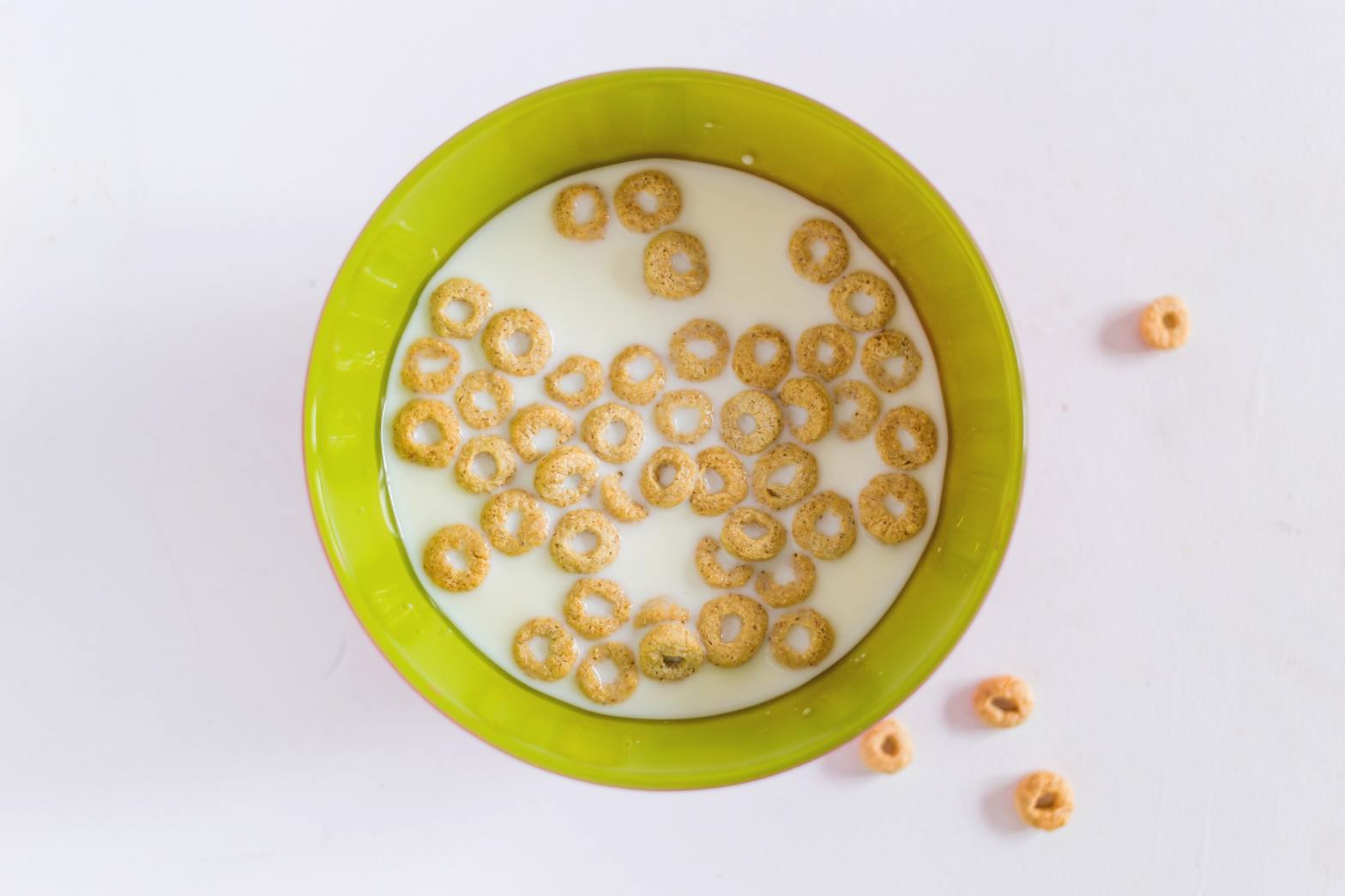
            As I continued to grow up, I also grew in size; as a young teenager, becoming self-conscious of my body was part of my reality.  A growth spurt in high school helped significantly, but the body dysmorphic disorder was ingrained.  As life progressed, I started looking more into nutrition and its impact on my body. Unfortunately, my initial plan was based on the flawed recommendations of the health department’s food pyramid.  I played right into the path of low fat, lots of “healthy” grains and the exercise more mentality.  By the time I hit 20, my diet of lean cuisines and high fiber cereal with almond milk, and training for marathons was wearing on my body.  It brought me to a state of being skinny-fat and losing my hair!

            As my food journey continued, I became more aware of the thoughts of others like David Perlmutter, Rob Wolf, and Steven Gundry, among others.  How is it that those working in government and healthcare have vastly different recommendations from these other people?  Like so many other decisions, I blindly accepted these “truths” about diet, because why would I not trust people in authority who are supposed to keep us safe and healthy?  While the sarcasm abounds, I decided that discovering truth for my health was my responsibility.  With that said, doing it alone is not my recommendation; finding practitioners and mentors whom are willing to explore alternatives is important.  

            I experimented with dairy free, grain free, vegetarian, paleo, keto and intermittent fasting, among other food trends.  Through all of the N=1 trials, I started gaining a better sense of what my body preferred.  This varied with the time of year, my activity levels and even mood, but ultimately it was about regaining the relationship between food and how it affected me.  I feel most of us have lost this ability to understand our body’s cues, due to mindless eating.  This “relationship” became more intriguing to me as I began to ponder how our ancestors approached nutrition.  When you look at the anthropology of food over the course of human existence, the story becomes even more intriguing.  

            Authors like Arthur Haines, Sam Thayer and Daniel Vitalis, as well as a group of friends exploring the concepts of foraging, pushed my limits of nutrition and living a lifeway that makes sense for our species.   I grew up eating processed, lifeless food; the fact that we continue to feed the next generation this way, and that these foods remain staples in the food deserts of lower socioeconomic classes, is unbelievable to me.  As a healthcare professional, I have come to understand that those who continue to recommend the Standard American Diet (SAD) have purposefully ignored reason and scientific evidence.   While I realize foraging, hunting and gathering is not a reality for the masses, I turned to an organization that has an appreciation for food, farming and a holistic approach to health.  

            The Weston A. Price Foundation became that beacon.  While there are many foundational principles in this approach, it breaks down to consuming food that provides optimal nutrition through appropriate practices.  Working with the land in a regenerative fashion, honoring food and how it nourishes us, and developing relationships with local food providers is a must.  As a society, we have allowed others to dictate our food supply and consumption habits, while refusing to take responsibility for something that has tremendous impact on our health.  There is not one perfect food or diet for everyone, but aligning your habits in this manner will move your health in the right direction.  

            So, where does one go from here?  I live in the city in a condominium complex, so while currently I can’t provide for myself, I am making a conscious decision to choose health with my actions.  I belong to a Community Supported Agriculture (CSA) service, so I am able to get fresh produce each week.  I work with local farmers to get fresh, raw dairy and eggs, and meat that is from animals treated in a humane manner with appropriate nutrition.  I obtain other food and beverages from local, artisanal vendors that care as much for what they produce as they do for themselves.  This year I rented a community food plot to begin developing a relationship with the soil and the food I consume.  Finally, I continue to look for the free, wild food that nature provides with no care needed.  Yes, this takes time and sometimes work to process, but the energy expended on these tasks and the relationships built have more lessons than one can imagine. 

            While my choices may seem drastic and unrealistic for many, this is a journey.  Start with a basic concept of eating seasonally, or those foods that your local farmers’ market would have.  Choose these items at the grocery store.  Choose foods that are minimally processed.  Choices made at the grocery store will have a much greater impact on your body than the one you make at the voting booth, so choose health!

The Day My Body Said…NO

While I can’t remember the precise date, it was May 2014 when my body decided it couldn’t take any more. Over the past months, I had been struggling to wake to the alarm at 5 AM, but off to the CrossFit gym I went. Keep going, push harder…isn’t that what I’m supposed to do?  We did the typical warm up and buildup to the workout of the day, and as I moved through the intense part of it, I felt my body giving me signals. As I continued, I felt my hamstring starting to sting.  In the heat of an entire gym ripping through sets and motivating each other, I stopped.  I couldn’t lift the barbell again.  It was the first time I had ever quit in the middle of a workout; I felt pitiful…and ultimately exhausted.  

            I was nearing the end of my internship (first year of residency), which meant long hours, disrupted sleep, high stress and the “push-forward-at-all-costs” mentality.  In hindsight, there were many signs that my health was going downhill.  Starting with my hair thinning dramatically as a 20-year-old, to my testosterone being below 200 at 25 and having a bowel movement every three days, to not falling asleep easily.  

            Why was all of this occurring?  My historic nutrition patterns were partly to blame; I remember the days of “a honey bun a day keeps Tony at bay” (10 seconds in the microwave for the right amount of melted icing!).  Another part of the body deterioration was the years of marathon and triathlon training, which was an amazing experiment with the body, but likely a cause for hormonal imbalance.  On a similar note, I believe the stress of medical school, residency, and my total lifestyle contributed to my collapse.  On top of those stressors, the place I was living had excess amounts of mold in the ventilation system and basement.  My nutrition did steadily improve over the years as I played with many trends including the low calorie, low fat and the paleo type approach.  

            Life continued though, regardless of how I was feeling.  At that point, I put working out on hold.  I cleaned up my diet as much as I could and started incorporating adaptogens (cortisol modulators) into my health regimen.  Also, I really made sleep a higher priority.  I started by purchasing Uvex blue-blocking glasses.  These are great if you’re using any electronic devices or have lights on past sunset; they help block the blue light so you can release melatonin from the pineal gland.  The other light at the end of the tunnel was that as the second year of residency started, I would no longer have 24 hour or night shifts.  

            Fast-forward a year later…no monumental change to my body globally.  I was still functioning, able to fall asleep more easily and I did get back into being active, but frustration was definitely setting in, so I decided to stop playing my own doctor and seek professional assistance.  At that point, labs revealed that I had a hypoactive thyroid, testosterone was dreadfully low, and I was officially a prediabetic (a1c=5.7% – this one really pissed me off as I felt my nutrition was on point).  I started on treatment for my thyroid, but as a 29-year-old I had no desire to get on testosterone replacement, which was the only tool offered.  The thyroid medication had minimal impact on both labs and symptoms, although I did lose a modest amount of weight.  However, as I continued the medication, I noticed daily headaches that I had never experienced before (they stopped after holding the medication).  

            I finished residency in Columbus and then continued a one-year fellowship in Athens, Ohio focusing on Neuromusculoskeletal Medicine and Osteopathic Manipulation.  There’s a much longer story for this decision, but ultimately, I determined that the chronic disease care management I would be practicing as a family physician was not going to provide a sustainable career.  During my year in Athens, my body did start to recover.  Thoughts on this include working in a much less stressful environment, having a commute of 5 minutes, improved sleep, not living in the moldy condo, and living in a small town with less electromagnetic fields/toxins/etc.  I still wasn’t waking up with vigor and there was still a lot of progress to be made, but I had a spark of hope!

            I came back to Cincinnati to start my “career”; I wasn’t able to find a passion filled job, but there was at least an opportunity to start down that path.  I was exposed to Dr. Huber and his integrative practice, so I started spending time in his office learning about what he did.  As most of us do, I fell back into the rut…waking up early to work out, so I could get to work by 7am (fortunately this wasn’t every day).  As the months continued, I started to experience the struggle bus of a morning and fatigue throughout the day.  I again began playing doctor and tinkering with my newfound education on supplements but found nothing was really making a dramatic difference. 

            Again, signs that my body was having some issues arose including more loss of hair, a twenty-pound weight gain and a surprising amount of anger on my highway commute (road-rage, anyone?).  While work wasn’t something I could necessarily change, I began implementing changes that I could control from a lifestyle standpoint.  First, I started mouth taping.  I was a chronic mouth breather as I slept (likely deviated septum related) and always woke with a dry mouth…taping essentially solved that.  I felt more rested upon waking, but still didn’t have the zip in my step.  I focused more on healthy fats, eating more whole foods and even dabbling in some foraging.  Energy improved, but nothing that was sustaining or what I thought a 33-year-old should have.  I started working with a purpose coach, to help me uncover why God placed me here at this time in this place.  A lot of great stuff came from this, but I was having difficulty putting pieces together.  I also started incorporating sauna therapy into my weekly routine, which again gave me a boost, but no lasting effect.  During that time, I spent more time in prayer and contemplation, which brought some additional support to my purpose journey.  There were other unique strategies I employed, but no game changers.             

 As 2020 was nearing, I was ready for a drastic change…To be continued. 

Alternative and Integrative Pain Solutions: Supplements and Pain…Can They Help?

Supplements aren’t the answer to everything, but they can be a safe and effective tool for chronic pain.  Not only does human physiology help us understand the need for certain nutrients, but evidence-based medicine has shown how certain nutraceuticals can influence pain signals as well.  Nutrients like Omega-3 fatty acids, minerals, B vitamins, zinc and antioxidants should be readily found in whole foods but have become depleted due to modern farming and ranching practices.  The aforementioned nutrients have been shown to reduce discomfort from fibromyalgia, nerve pain, inflammatory pain and other chronic forms. 

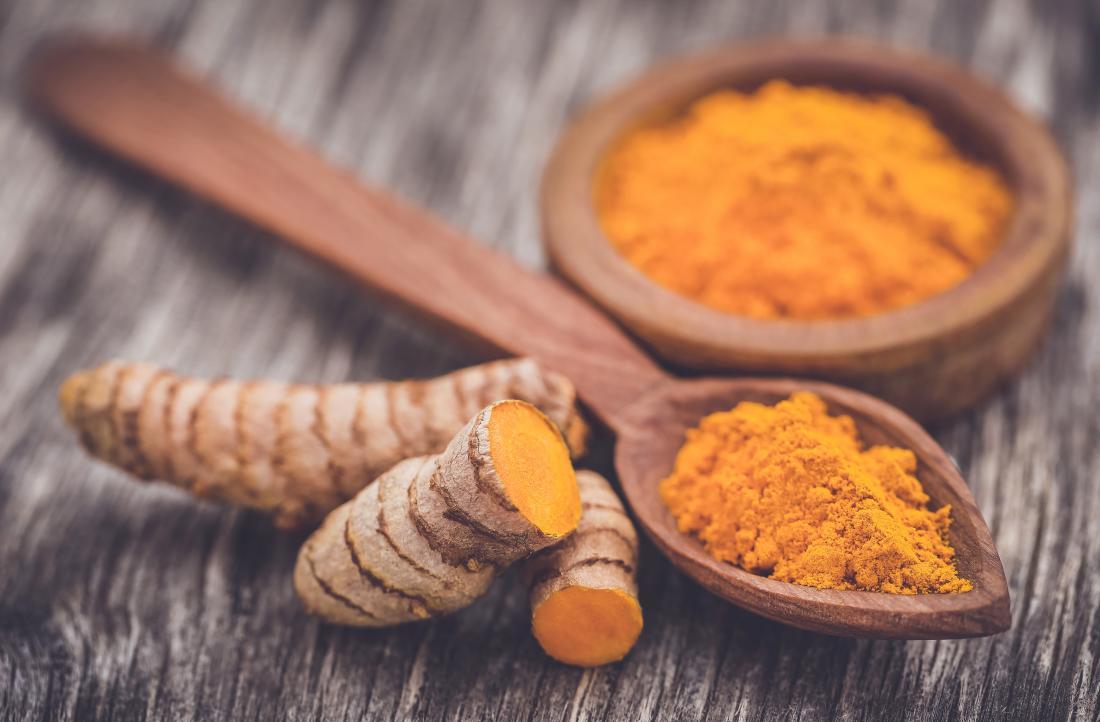
Osteoarthritis is a condition that many people in their 60’s and older experience, and it seems the age of onset has been lowering over the last decades.  Scientific research suggests that this form of arthritis was not as prevalent in ancestral peoples.  Two major changes include the type of movement and nutrition utilized on a regular basis.  With approximately 23% of the U.S. population experiencing this condition, finding options to help is necessary.  There are several supplements that have been shown to be just as beneficial if not better than common over the counter and prescription medications like anti-inflammatories and acetaminophen, which can have toxic effects.  Products with Curcumin, Boswellia and Glucosamine-Chondroitin have all demonstrated notable improvements in symptomatic osteoarthritis. 

When deciding on supplements, it is important that you choose options that are of high quality.  There is poor regulation with the supplements generally found at your local pharmacy.  Here at Huber Personalized Medicine, we have chosen companies and products that are held to high standards.  Please work with a practitioner or do proper research to find the right ones for you. 

Alternative and Integrative Pain Solutions: “Let Food Be Thy Medicine”

Nutrition absolutely has an effect on chronic pain.  The main influencers of pain (aside from a large mechanical issue) are the nervous (neurotransmitters), endocrine (hormones) and immune (inflammation) systems of the body.  To produce these messengers, you must have the appropriate components…which come from nutrition.  These chemicals primarily come from two sources: cholesterol (the same thing most doctors recommend avoiding) and amino acids (the building blocks of protein).  Essentially, without proper amounts coming from the diet, you significantly impact the assembly of necessary messengers.  With that said, the body is adaptive, and has the ability compensate for nutritional deficiencies for an extended period of time…but at what cost?

            “Inflammation” has become a buzz word in nutrition.  How does nutrition influence this?  First, let’s make it clear that all food is going to have a temporary inflammatory effect.  Think of this like gas for your car, some options are going to burn cleaner, but there’s still exhaust (metabolism byproducts).  In recent decades, the American diet has transitioned from whole to processed convenience foods as dietary staples.  The addition of vegetable oils such as canola, soy, peanut and corn are particularly concerning.  These oils oxidize easily and contain higher amounts of Omega-6 fatty acids, leading to further inflammation and tissue damage.  Stable fats, such as those from animals (lard, butter, etc.), as well as coconut and olive oil, are better choices.  Another consideration is that some foods require appropriate processing to ensure minimal problems with digestion.  Foods like grains, beans, nuts and other plant-based foods should be soaked, sprouted or prepared in a manner to avoid harmful effects.  For example, lectins found in beans and night-shade plants can be irritating to the gut, but this is significantly reduced with soaking and cooking appropriately.  Meat eaters don’t get away easily either; it too can have undesired effects.  Sourcing meat from animals that were raised on pasture and treated humanely is key to reducing the inflammatory effects.  

            So, what are we going to do if everything causes inflammation?  First, start with consuming whole foods; this alone will have tremendous benefits.  The next step is to relearn what our ancestors knew about food.  Unfortunately, in a few generations this essential knowledge has been forgotten.  There are many resources available to regain this lost art, the Weston A. Price Foundation is the one I’ve found most practical.  

To learn about local food resources in Cincinnati check out: WAPF – Cincinnati Chapter

Design a site like this with WordPress.com
Get started