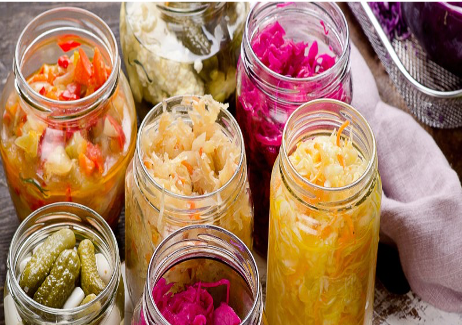
What does the gut have to do with pain? As we learn more about the microbiome (the helpful microorganisms that inhabit our gastrointestinal tract), there is a realization of how important these microbes are for health. With ten times more microorganisms than human cells in our bodies, maintaining an appropriate balance not only aids digestion, but also global function. The organisms in our body are key for transforming the food we consume into the products we use to support neurotransmitters, hormones and inflammation in the body.
The microbiome has shown important roles in maintaining good health, including:
- Protecting the intestinal barrier
- Producing or influencing neurochemicals (GABA, serotonin, dopamine, etc.)
- Reducing lipid peroxidation (free radicals)
- Regulating cytokine (inflammatory markers) and lipopolysaccharide (LPS – harmful toxin) production
- Creation of vitamins
- Providing analgesic (pain relieving) effects
These are just a few examples of the many beneficial mechanisms provided by a healthy, functioning microbiome. However, the Standard American Diet (SAD – accurate acronym!) is filled with processed ingredients and is high in sugar and adulterated fats, which cause disruption in the ideal diversity and all of the aforementioned processes. This affects our repair and recovery mechanisms and can be a component of chronic pain mechanisms.
Fermented foods (sauerkraut, pickles, kimchi, kefir, yogurt, kombucha, wine, beer, etc.) were a part of traditional nutrition throughout human history; however, these foods have either been removed from the diet or significantly modified (mass produced, heated, etc.) which has greatly affected intestinal, and thus, total body health. I get it, most people are not going to consume significant amounts of these foods, but there are other options. This is where prebiotics and probiotics come into play. Prebiotics are special fiber found in plants (garlic, onion, etc.) that provide healthy bacteria with a source of nutrition. With probiotics, quantity and diversity matter; look for at least 10-20 billion colony forming units (CFUs). For the diversity component, combining Lactobacillus/Bifidobacterium, Saccharomyces boulardii (beneficial yeast) and Bacillus (soil-based) organisms have all shown beneficial effects. Don’t neglect the health of your gut and the friendly organisms that live there!
 Elemental Health